
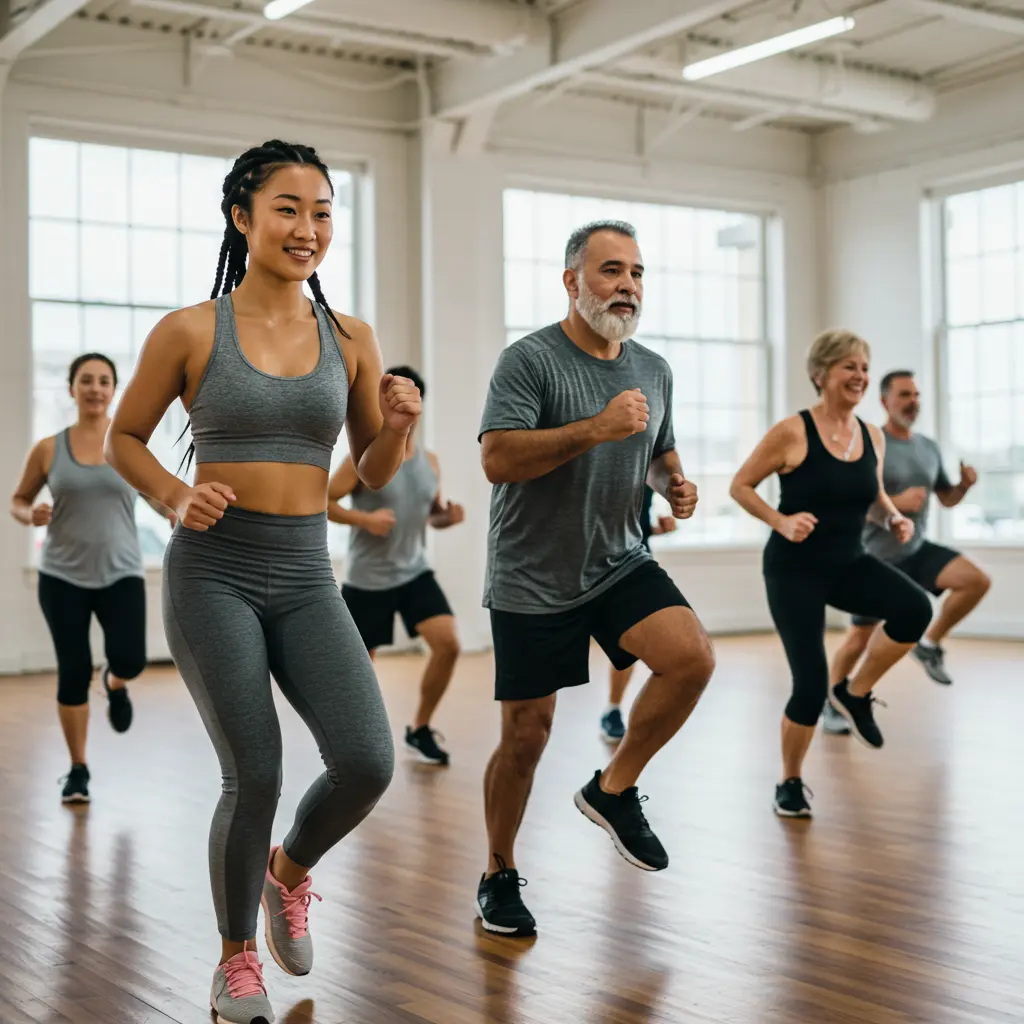
Cardio Is All About Heart
Cardiovascular exercise, or cardio, is any aerobic activity that gets your heart pumping and blood flowing. When you engage in cardio, your heart works harder to supply oxygen-rich blood to your muscles, strengthening the heart muscle over time.
Regular cardio exercise can help reduce the risk of heart disease, stroke, and other cardiovascular problems. It can also improve your endurance, making daily activities easier to perform without fatigue.
Cardio offers several key benefits for your health:
- Helps manage weight and burn calories
- Boosts energy levels
- Improves mood
- Enhances sleep quality
- Maintains healthy body composition
One of the best aspects of cardio is its accessibility. You don’t need fancy gym equipment or expensive memberships to get started. Simple activities you can do include:
- Walking or jogging
- Cycling
- Swimming
- Dancing
- Active household chores
The key is finding an activity you enjoy and can maintain consistently. For optimal health benefits, aim for at least 150 minutes of moderate-intensity cardio per week, or 75 minutes of vigorous-intensity cardio.

Getting Started Safely
Safety and proper precautions should always come first when starting an exercise routine. One of the most crucial elements is incorporating a proper warmup and cooldown.
These pre and post-exercise routines help prepare your body for activity and aid in recovery, significantly reducing injury risk.
If you have existing health conditions, consult with a healthcare professional before beginning any new exercise program. They can provide personalized guidance based on your specific needs.
According to established guidelines from the World Health Organization (WHO) and CDC, adults should aim for:
- 150 minutes of moderate-intensity aerobic activity, or
- 75 minutes of vigorous-intensity activity per week
Remember that these are general guidelines, and individual needs may vary.
It’s essential to start slowly and gradually increase your workout intensity and duration. This measured approach allows your body to adapt properly to new demands.
Always listen to your body and watch for unusual pain or discomfort. By following these guidelines, you can build a strong foundation for a sustainable and enjoyable fitness routine.
Beginner-Friendly Cardio Exercises You Can Do Anywhere
Starting a fitness journey doesn’t require expensive equipment or gym memberships. There are plenty of simple cardio exercises you can do anywhere.
These beginner-friendly activities include:
- Walking
- Jogging
- Jumping jacks
- Mountain climbers
The key is to start at a comfortable level and gradually increase the intensity as your fitness improves. This approach helps you build cardiovascular health while avoiding burnout or injury.
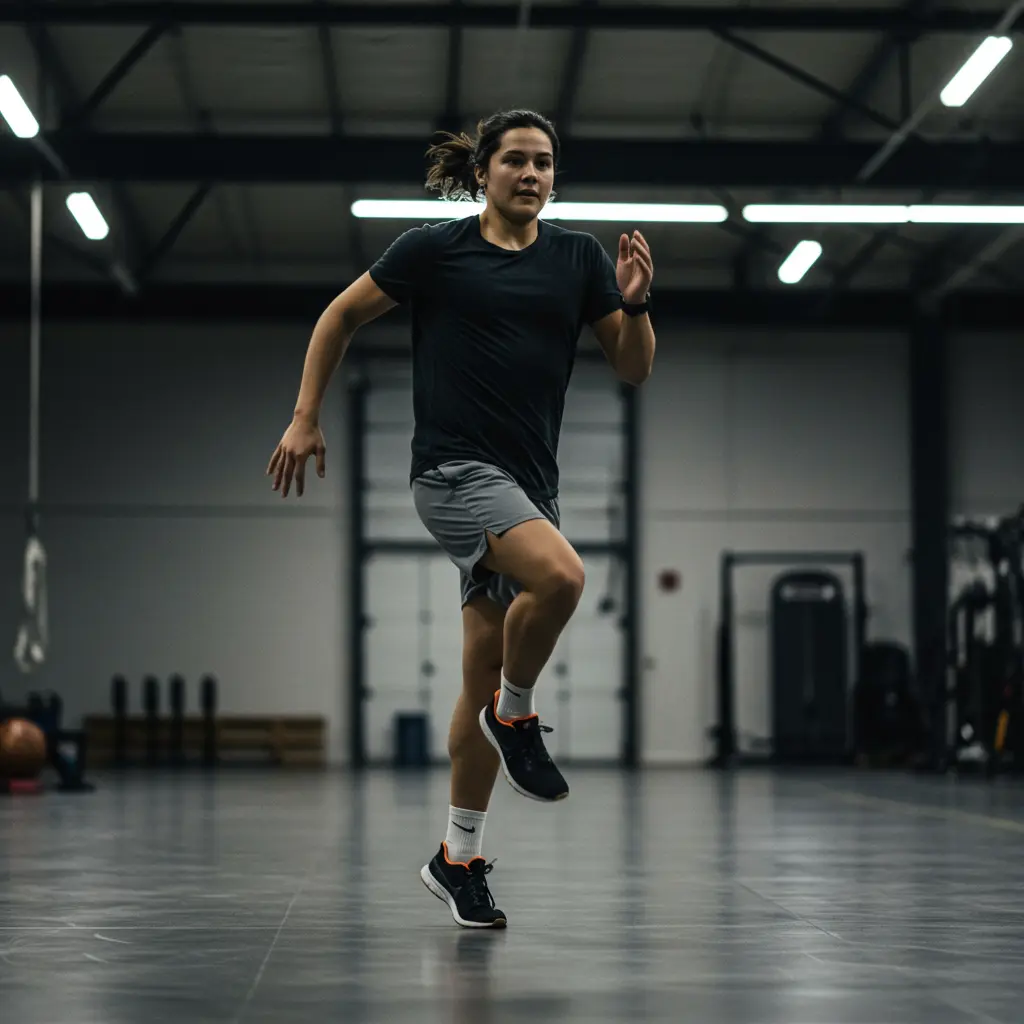
1. Marching in Place
Marching in place is a simple and low-impact way to elevate your heart rate without the need for fancy equipment or a lot of space. This convenient exercise can be done anywhere, making it an excellent option for those with busy schedules or limited access to outdoor spaces.
To perform this exercise effectively, keep your core engaged and your knees lifted to boost the intensity.
You can experiment with different paces when marching in place:
- A slower pace is ideal for warmups
- A slightly faster pace can provide a moderate challenge
The calorie burn from marching in place for 15 minutes can vary based on factors such as your weight and the intensity of the activity. On average, a person weighing around 150 pounds (68 kg) might burn approximately 40 to 65 calories in a 15-minute session.
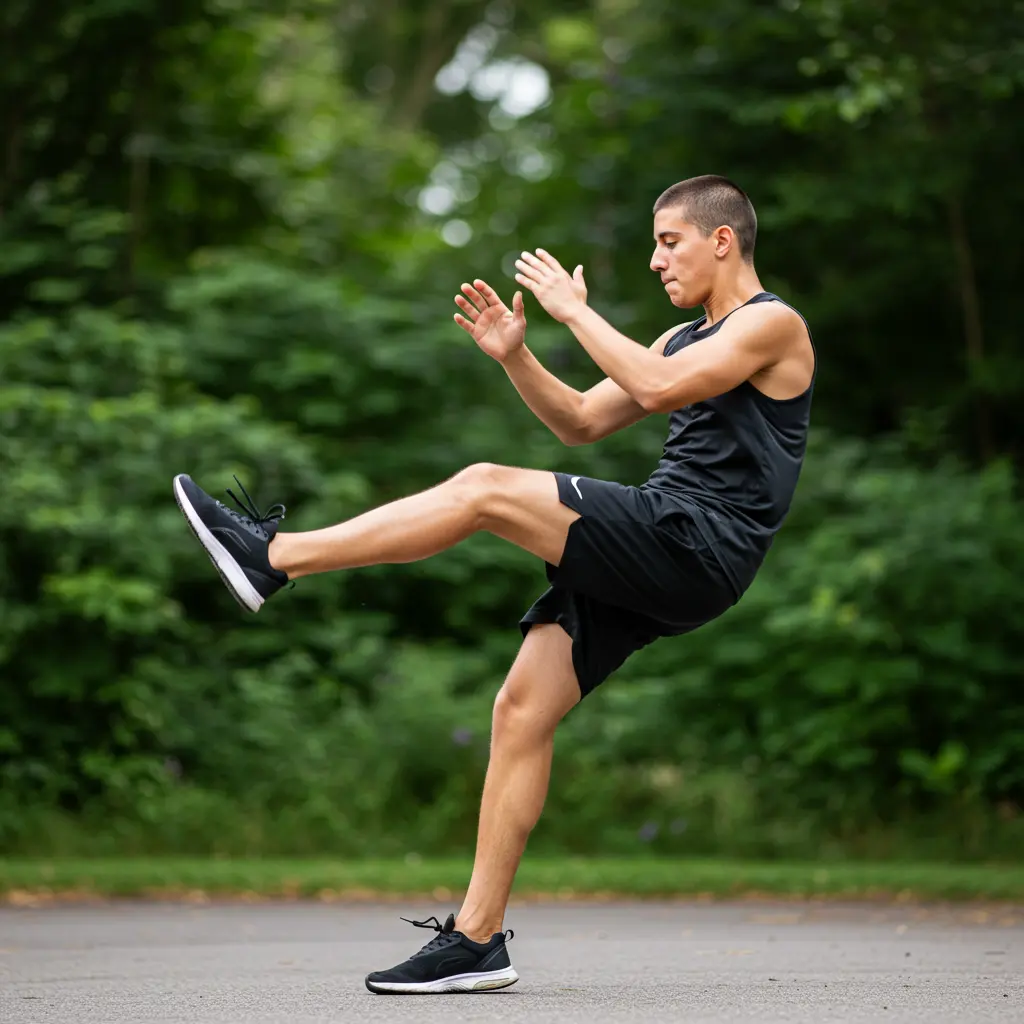
2. High Knees
High knees are a versatile and effective exercise for beginners looking to improve their cardio fitness. This high-intensity cardio move can quickly elevate your heart rate, improving cardiovascular endurance and fitness.
The exercise is ideal for beginners who want to enhance their heart and lung function without complex equipment. High knees engage multiple muscle groups, including:
- Glutes and hamstrings
- Quadriceps and calves
- Hip flexors and core
- Upper body muscles (shoulders and arms)
Benefits of high knees include burning 7-8 calories per minute, depending on intensity and body weight. For runners, this exercise helps improve running form by strengthening muscles involved in knee lift and hip drive, reducing injury risk and enhancing efficiency.
The exercise also improves coordination and balance by challenging the neuromuscular system, which enhances overall physical performance and reduces fall risk.
For beginners, start with 10-15 repetitions as part of your warm-up. You can incorporate high knees into interval training, alternating between active and rest periods, or as part of HIIT sessions to boost cardiovascular fitness efficiently.
One of the best features of high knees is their convenience and accessibility. They can be performed anywhere without special equipment, making them perfect for any workout routine – at home, in the office, or outdoors.
By incorporating high knees into your daily routine, even for just a few minutes, you can maintain active muscles and improve overall fitness. Perform the exercise at varying speeds to match your fitness level, providing quick bursts of cardio perfect for short intervals.
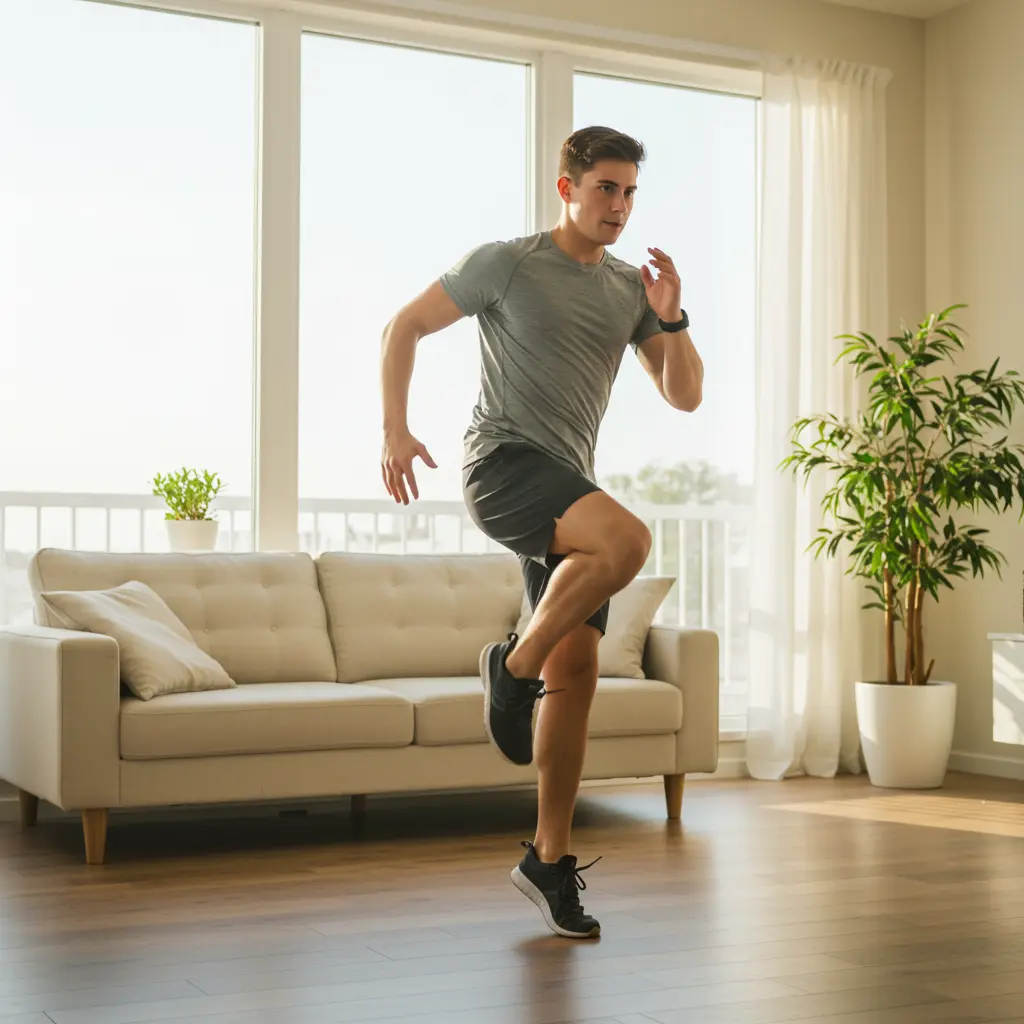
3. Butt Kicks
Butt kicks are an excellent warm-up exercise that targets the hamstrings and glutes. This low-impact move involves lifting your heels towards your buttocks while keeping your upper body relaxed and your core engaged.
Focus on bringing your heels as close to your butt as possible, without straining or causing discomfort. Butt kicks are a great alternative to running in place, especially for beginners or those looking for a gentler warm-up option.
This exercise helps to increase flexibility and mobility in the legs, which is crucial for preventing injuries and improving overall performance.
To perform butt kicks correctly:
- Stand with your feet hip-width apart
- Alternate lifting each heel towards your buttocks
- Keep your arms bent at a 90-degree angle, mimicking a running motion
- Maintain a steady, controlled pace and engage your core
Incorporating butt kicks into your warm-up routine can help to prepare your lower body for more intense activities, such as running or jumping. This exercise is also beneficial for improving coordination and agility, making it a valuable addition to any beginner’s workout plan.

4. Step Touch / Lateral Shuffle
The step touch, also known as the lateral shuffle, is an excellent exercise for beginners looking to improve their side-to-side mobility and balance. This movement engages the outer thigh and glute muscles, which are crucial for stability and agility in various sports and activities.
When starting with the step touch, it’s essential to begin slowly and focus on proper form. Stand with your feet shoulder-width apart, then shuffle sideways by moving one foot while keeping the other foot in place.
As you become more confident with the movement, you can gradually increase the speed to challenge your coordination and agility.
Incorporating the step touch into your training routine can help prevent injuries by strengthening stabilizer muscles and improving overall balance. It also enhances your ability to change direction rapidly, which is crucial in sports like basketball, soccer, and boxing.
To maximize the benefits of the step touch, consider these progressions:
- Using resistance bands
- Varying the intensity of the movement
- Combining with other lateral movement exercises, such as lateral lunges or side squat walks
This creates a comprehensive workout that targets your side-to-side mobility and strength.
5. Standing Oblique Crunches
Standing oblique crunches are an effective low-impact option to strengthen the core while adding a light cardio aspect to your workout. This exercise focuses on activating the side-ab muscles by lifting the knee toward the elbow, engaging the obliques and transverse abdominis.
Proper form is essential when performing standing oblique crunches. Maintain good posture and execute the movement in a slow, controlled manner. This ensures you target the intended muscles and avoid unnecessary strain or injury.
By incorporating this exercise into your routine, you can benefit from both the cardio and core-strengthening elements.
To maximize results, consider combining standing oblique crunches with other low-impact cardio exercises such as:
- Skaters
- Squat to jab
This creates a well-rounded workout that improves both cardiovascular endurance and core stability.
Safety Tips and Modifications
When engaging in any physical activity, it’s essential to prioritize your safety and well-being. If you feel unsteady during your workout, don’t hesitate to use a chair or wall for balance support.
Proper form and injury prevention are crucial for a successful workout routine. This simple modification can help you maintain stability and prevent potential falls or injuries.
It’s vital to listen to your body throughout your fitness journey. If you experience dizziness or find yourself out of breath, take a break or lower the intensity of your exercises.
Here are key safety measures to remember:
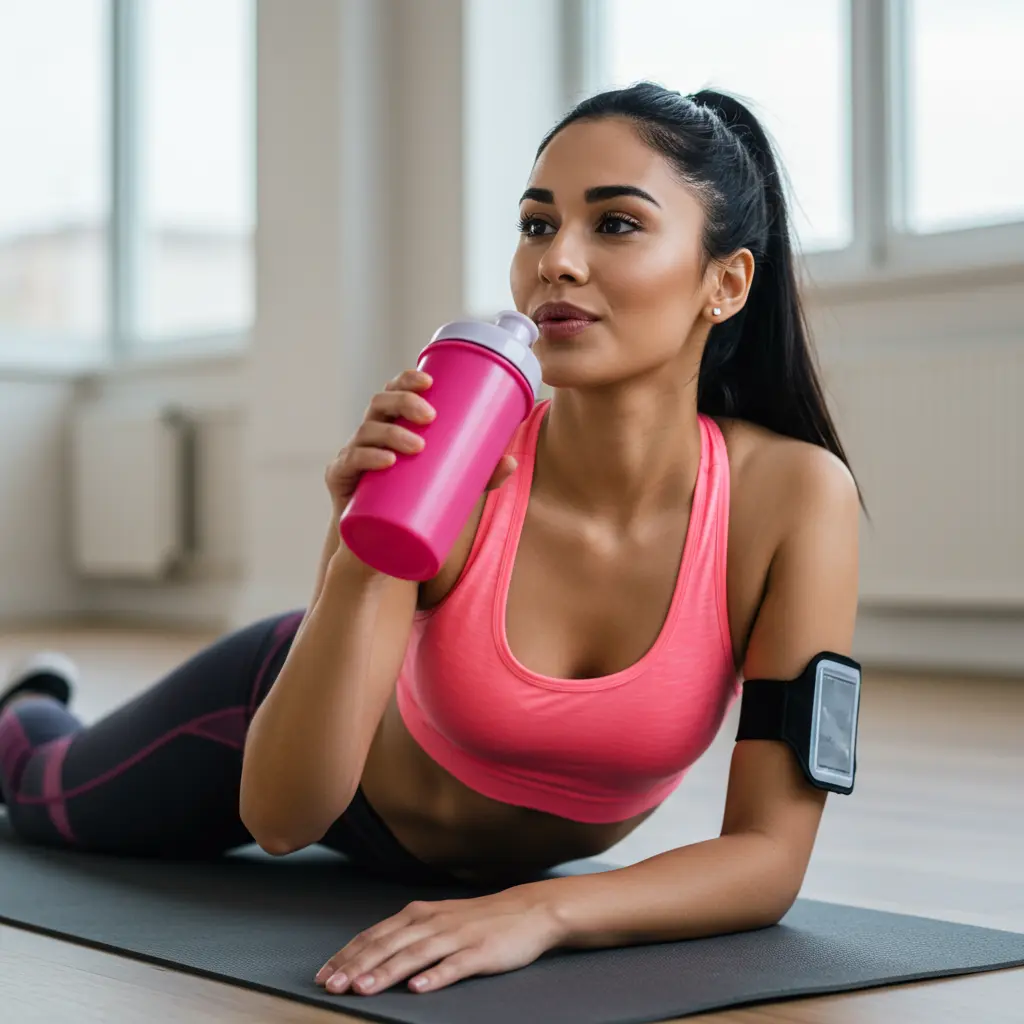
- Stay well-hydrated by drinking plenty of water before, during, and after workouts
- Wear supportive shoes that fit well and provide adequate cushioning
- Never push yourself beyond your limits, as this can lead to exhaustion or injury
Cool-down stretching is an essential part of any workout routine. Stretching helps improve flexibility, reduces muscle tension, and promotes relaxation.
For an effective cool-down:
- Target the major muscle groups used during your workout
- Hold each stretch for 15-30 seconds
- Allow your body to transition smoothly from an active state to a resting state
This post-exercise routine will help minimize the risk of muscle soreness and stiffness.
Structuring Your Weekly Routine
When starting a fitness routine, it’s essential to aim for 3–5 sessions per week, beginning with just 10–15 minutes each.
Gradually increase the duration or intensity of your workouts as you build endurance and strength. This approach allows your body to adapt while minimizing the risk of injury or burnout.
For a well-rounded fitness program, combine cardio with resistance training. Cardio exercises like walking, jogging, cycling, or swimming improve cardiovascular health and burn calories.
Resistance training, including weightlifting and bodyweight exercises, builds muscle strength and endurance. By incorporating both types, you achieve a balanced workout targeting different aspects of fitness.
A sample beginner workout schedule might include:
- Cardio on Mondays and Fridays
- Upper body strength training on Tuesdays
- Lower body strength training on Thursdays
- Core exercises on Saturdays
Rest days are essential for recovery and should be included in your weekly routine. Remember to start each workout with a warm-up and end with a cool-down to prepare your body and reduce injury risk.
As you progress, you can combine cardio and strength exercises in a circuit format for a more efficient workout. Always listen to your body and seek guidance from a personal trainer if needed.
With consistency and dedication, you’ll soon see improvements in your overall fitness and well-being.
Taking It to the Next Level
As you become more comfortable with your walking routine, consider adding moderate jogging intervals or incorporating more dynamic moves to keep things interesting.
To further increase the challenge and boost your fitness, try incorporating jump rope sessions or bodyweight cardio circuits into your workouts.
Tracking your progress – such as noting improvements in distance, time, or how you feel – can help you stay motivated and committed to your fitness journey.
An Easier Path to Consistency
Maintaining a consistent workout routine can be challenging. However, exploring Daily Burn app’s. vast library of beginner-friendly cardio workouts can help make it easier.
Our comprehensive platform offers:
- Flexibility
- Guidance
- Motivation
We keep you on track, ensuring that you can find the perfect workout to suit your needs and preferences.
Start Moving—And Keep Going
When it comes to cardio for beginners, the key is consistency, slow progression, and listening to your body. Don’t try to do too much too soon or push yourself beyond your limits.
Focus on building a sustainable exercise habit by:
- Starting small
- Gradually increasing workout duration
- Slowly increasing workout intensity
Remember, even a few minutes of cardio each day can make a big difference in your overall health and fitness. Whether it’s a quick walk around the block, a 10-minute dance session in your living room, or a beginner-friendly workout video, every little bit counts.
The important thing is to make exercise a regular part of your daily routine and stick with it.
If you’re looking for more workout tips and a wide variety of beginner-friendly routines, visit dailyburn.com to jumpstart your fitness journey! With expert guidance, supportive community, and a wealth of resources at your fingertips, you’ll have everything you need to stay motivated, track your progress, and achieve your fitness goals.