

Why Hip Mobility Matters
Hip mobility refers to the ability of the hip joints to move through their full range of motion. It is a critical aspect of overall movement and plays a significant role in maintaining a healthy, active lifestyle.
Tight hips can lead to back or knee pain, as the body compensates for the lack of mobility in the hip area by placing additional stress on other joints and muscles.
One of the primary factors contributing to reduced hip mobility is prolonged sitting. In today’s sedentary world, many adults spend an average of 9.5 hours per day in sedentary activities, both at work and during leisure time.
This prolonged sitting can cause the hip flexors to become tight and shortened, leading to a decreased range of motion in the hips.
The impact of poor hip mobility extends beyond just discomfort and pain. Spending more than 10.6 hours per day in sedentary activities is associated with increased risks of various cardiovascular conditions, even among those who meet exercise guidelines.
Limiting sedentary time to less than six hours per day is linked to a lower risk of obesity in U.S. adults. Therefore, incorporating hip mobility exercises and reducing sedentary time are essential for maintaining overall health and well-being.
Mobility vs. Flexibility: Understanding the Difference
Mobility refers to the ability to actively move your joints through their full range of motion with control.
In contrast, flexibility is more about passively stretching your muscles to temporarily elongate them.
While both are important, it’s crucial to focus on strengthening your muscles as you gain new ranges of motion through mobility work. This approach helps ensure joint stability and prevent injury.
Common Causes of Hip Tightness
Prolonged sitting, lack of exercise, and a sedentary lifestyle are common factors that can contribute to hip tightness.
Overuse from repetitive sports or improper training techniques can also lead to tension and tightness in the hip area.
Stress and anxiety can cause unconscious tensing of the muscles around the hips, further exacerbating the issue.
Tips for Improving Hip Mobility Safely
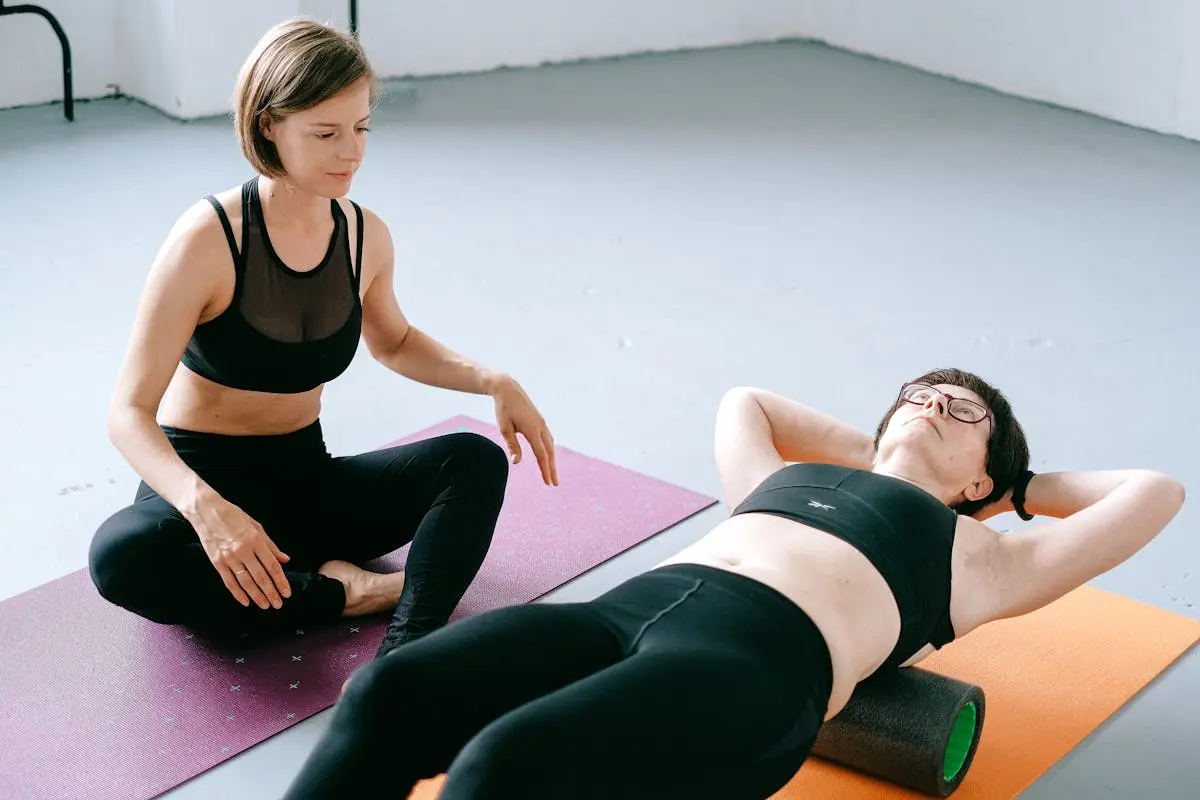
Proper form and alignment are crucial when working to improve hip mobility safely. Maintaining correct alignment helps prevent strain on the joints and muscles, reducing the risk of injury.
When performing hip mobility exercises, pay close attention to your body’s positioning and make adjustments as needed. If you’re unsure about proper form, consult with a qualified fitness professional or physical therapist for guidance.
A proper warm-up is essential before attempting deeper hip mobility work. Your warm-up routine should:
- Last 5-10 minutes
- Include dynamic exercises that mirror your mobility routine
- Focus on increasing blood flow and muscle temperature
- Incorporate dynamic stretches like leg swings and hip circles
Gradual progression is key when improving hip mobility. Start with basic exercises and lighter stretches, then advance as your flexibility and strength improve.
Listen to your body and avoid pushing yourself too hard or too fast. Remember that consistent, gradual progress is essential for achieving lasting improvements while minimizing injury risk.
This is not a race – take your time and enjoy the journey towards healthier, more mobile hips.
Your Hip Mobility Exercise List
Hip mobility is a crucial aspect of overall physical health and flexibility. Let’s explore some exercises that can help you improve it.
By incorporating these movements into your regular routine and performing them consistently, you’ll be well on your way to achieving better hip mobility.
Remember that consistency is key when working on flexibility and mobility goals.
1. Hip Circles
Start on hands and knees and make wide circles with your bent leg to target the full hip joint range of motion.
Perform 6-8 reps per leg, moving in both forward and backward directions.
Start on hands and knees | Make wide circles | Target the full hip joint

2. Kneeling Hip Flexor Stretch + Isometric Hold
Start by kneeling on one knee. Drive your hips forward to feel the stretch in your upper thigh and hip.
To intensify the stretch and achieve deeper hip extension, engage your core and squeeze your glutes.
For optimal results, hold the stretch for 5-10 seconds while maintaining a straight spine for added stability.
3. 90/90 Hip Switch
The 90/90 hip switch is a powerful mobility exercise that targets your hip flexibility. To perform it, you’ll sit on the ground with your knees bent at 90-degree angles – one leg in front of you and the other to the side.
The key movement involves switching the positions of your legs to work on both internal and external rotation. This exercise is particularly effective for:
- Improving overall hip mobility
- Alleviating snapping hip syndrome
- Reducing hip impingement
- Relieving non-specific low back pain
4. Hip Flexor Strengthening March
Stand tall and drive your knee above hip level while balancing.
This exercise strengthens the hip flexors, which are crucial for maintaining movement efficiency.
Performing the hip flexor strengthening march helps improve your running stride and walking power.
5. Butterfly Stretch
Sit with the soles of your feet together, drawing your heels as close to your body as comfortable. Gently press your knees outward to stretch the inner thighs and improve hip abduction.
Remember to maintain a straight spine throughout the stretch to deepen it safely and maximize its effectiveness.
6. Donkey Kicks
Donkey kicks are a great exercise for engaging your glutes and supporting strong hip extension.
To perform:
- Start on your hands and knees
- Lift one bent leg behind you
- Keep your core stable to avoid lower back strain

7. Standing Leg Swings
Stand next to a wall or chair for stability and swing one leg forward and back in a controlled manner.
This exercise improves the dynamic flexibility of your hips and hamstrings.
Important: Be sure to avoid arching your back or swaying during the movement.
8. Single-Leg Bridge
Lie on your back and lift one foot off the floor. Then, drive your hips up toward the ceiling.
This variation of the glute bridge builds strength in the glutes, enhancing hip stabilization.
Focus on keeping your hips level to avoid rotation.
9. Torso Twist with Hip Pivot
Stand with feet hip-width apart and pivot your foot as you twist your torso.
This exercise targets rotational mobility while loading the hips. Keep your knees slightly bent for control and balance.
Integrating Hip Mobility Work into Your Routine
Consistency is crucial for seeing long-term improvements in your hip mobility. Aim to incorporate hip mobility exercises at least 2-3 times per week, either as standalone sessions or as part of your existing workout regimen.
A well-rounded hip mobility routine should combine various exercises targeting different movement patterns:
- Dynamic stretches
- Static holds
- Strengthening exercises
This diverse range of movements helps address all planes of motion and ensures your hips are challenged in multiple ways.
To stay accountable and track your progress, consider following a personalized plan tailored to your specific needs and fitness level. Personalized Workout Plans from Daily Burn offer guided progress and a vast library of workout videos spanning various fitness disciplines.
With the convenience of streaming videos anywhere, anytime, you can easily integrate hip mobility work into your schedule and stay on track with your mobility goals.

Stay Hip, Stay Moving
For more comprehensive tips and guidance on fitness, nutrition, and healthy living, be sure to visit our website at dailyburn.com.