
The Expert’s Guide to Selecting the Safest Home Workout Programs
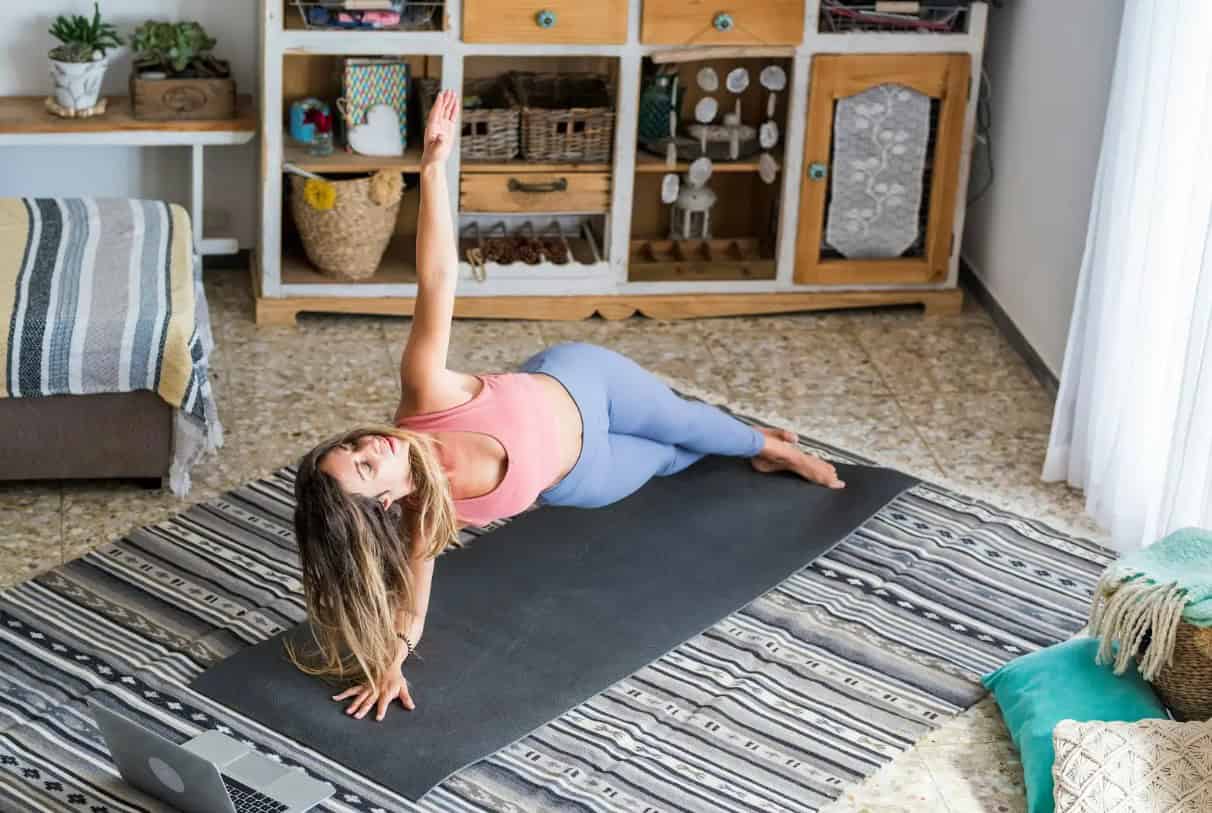 Choosing the right home workout program requires more than finding exercises you enjoy—it demands a strategic approach that prioritizes safety, progression, and sustainability. The best home workout programs, like Daily Burn, combine expert guidance with adaptable routines that grow with your fitness level while minimizing injury risk through proper form instruction and structured progression. Whether you’re a complete beginner or returning to fitness after a break, selecting a program that emphasizes safety fundamentals will set the foundation for long-term success. This guide walks you through the essential criteria for evaluating home workout programs, from assessing your space and equipment needs to tracking progress and maintaining proper recovery practices.
Assess Your Home Workout Space
Creating a safe workout environment forms the foundation of any successful home exercise routine. Your workout space directly impacts both your safety and the effectiveness of your chosen program, making proper assessment and preparation crucial before starting any fitness regimen.
Begin by evaluating your available area for fundamental safety requirements. Harvard Health emphasizes the importance of creating a safe workout space with good lighting, ventilation, and enough room to move freely. Your workout area should be wide enough for unrestricted arm movement and long enough for floor exercises to prevent injury during dynamic movements or stretching routines.
Follow this essential safety checklist when preparing your workout space:
- Remove tripping hazards including loose rugs, clutter, and furniture that could cause falls
- Ensure adequate floor space for yoga mats, stretching, and full-body movements
- Improve ventilation to manage temperature and humidity, as warm, humid workout environments risk overheating
- Check lighting quality to clearly see exercise demonstrations and maintain proper form
- Secure loose cables or equipment that could create obstacles during workouts
Temperature and air quality deserve special attention in your workout space. Harvard Health notes that warm, humid workout environments increase overheating risk, so use fans, dehumidifiers, or open windows to maintain comfortable conditions.
For those exercising alone, consider safety communication tools like keeping a charged phone nearby or using a smart speaker that can contact emergency services if needed. These precautions become particularly important during high-intensity workouts or when trying new, challenging exercises.
Choose Appropriate Equipment for Your Fitness Level
Selecting the right home workout equipment supports safe progression while preventing injury through proper load management and exercise variety. The key lies in choosing tools that match your current fitness level while offering room for advancement as you grow stronger.
Start with versatile, space-efficient equipment that delivers maximum value. GQ Magazine highlights that resistance bands are quick, simple, and space-saving tools capable of targeting nearly every muscle group at home. These bands provide variable resistance that adapts to your strength throughout each exercise’s range of motion, making them ideal for beginners and advanced users alike.
Dumbbells represent another excellent investment for home workouts, as they enable progressive overload—the gradual increase of exercise intensity to continually challenge your body for strength and endurance improvements. GQ Magazine notes that exercises like dumbbell goblet squats effectively build leg, glute, upper body, and core strength simultaneously.
Budget-conscious exercisers can leverage household items as effective workout tools. ACE Fitness suggests using bags of rice as weights or plastic buckets filled with water as kettlebell alternatives, making strength training accessible regardless of equipment budget.
| Equipment Type | Benefits | Best For |
|---|---|---|
| Resistance Bands | Space-saving, variable resistance, full-body targeting | All fitness levels, travel, small spaces |
| Dumbbells | Progressive overload, compound movements, precise loading | Strength building, intermediate to advanced |
| Stability Balls | Core stability, balance, flexibility improvement | Rehabilitation, core work, functional movement |
| Household Items | Budget-friendly, creative alternatives, immediate availability | Beginners, budget constraints, equipment testing |
MyMovementRx emphasizes that stability balls improve core stability, balance, and flexibility, making them valuable additions for users seeking functional fitness improvements or rehabilitation support.
Build a Balanced and Varied Exercise Routine
A well-structured home workout routine incorporates three essential components: strength training, cardiovascular exercise, and flexibility work. This balanced approach prevents overuse injuries, supports comprehensive fitness development, and maintains long-term motivation through exercise variety.
Strength training builds muscle mass, increases bone density, and improves metabolic health through exercises using body weight, resistance bands, or weights. Cardiovascular exercise strengthens your heart and lungs while burning calories and improving endurance. Flexibility and mobility work maintain joint range of motion, reduce injury risk, and aid recovery between training sessions.
Verywell Fit recommends balancing your routine with different types of workouts, including strength training, cardio, and flexibility exercises, noting that this variety engages different muscle groups and prevents boredom that often derails fitness progress.
The American Heart Association provides clear guidelines for weekly exercise targets: adults should get at least 150 minutes of moderate-intensity or 75 minutes of vigorous aerobic activity weekly, plus muscle-strengthening activities twice per week that work all major muscle groups.
Consider incorporating circuit training into your routine, which involves performing one set of each exercise consecutively with minimal rest between movements. This training method efficiently combines strength and cardiovascular benefits while maximizing time efficiency—a crucial factor for home workout success.
| Weekly Template | Monday | Wednesday | Friday |
|---|---|---|---|
| Focus | Full-body strength | Cardio + flexibility | Upper/lower strength |
| Duration | 30-45 minutes | 30-40 minutes | 35-45 minutes |
| Key Elements | Compound movements | High-intensity intervals | Targeted muscle groups |
Nerd Fitness identifies fundamental exercises that provide comprehensive coverage: squats for lower body power, lunges for single-leg strength and balance, push-ups for upper body pressing, rows for pulling strength, and planks for core stability. These movements form the foundation of effective home workout routines.
Follow Expert-Guided Programs and Clear Instruction
Expert-guided programs like Daily Burn provide structured routines designed and led by certified trainers, offering safe progression pathways and proper form instruction that significantly reduce injury risk while maximizing results. These professionally developed programs eliminate guesswork and provide accountability that keeps users engaged long-term.
Quality guided platforms deliver comprehensive support systems for home exercisers. Verywell Fit notes that exercise apps offer full routines, live classes, video libraries, and progress tracking to support home workouts effectively. GQ Magazine adds that apps like Peloton and other quality platforms simplify home workouts with guided sessions tailored to specific fitness goals.
Professional workout programs typically include several key delivery methods:
- Video-based instruction with clear visual demonstrations of proper form and technique
- Audio coaching that provides motivation and form cues during exercises
- Progress tracking systems that monitor improvement and adjust difficulty automatically
- Adaptive modifications that scale exercises for different fitness levels and physical limitations
When evaluating expert-guided programs, prioritize these essential features:
| Feature | Importance | What to Look For |
|---|---|---|
| Certified Trainers | Critical | Credentials from ACSM, NASM, ACE, or similar organizations |
| Form Demonstrations | Essential | Multiple camera angles, slow-motion breakdowns, common mistake corrections |
| Progressive Structure | High | Systematic advancement, periodization, measurable milestones |
| Warm-up/Cool-down | Required | Built-in preparation and recovery segments for every session |
The most effective programs provide modification options for different fitness levels, ensuring that beginners can safely start while advanced users remain challenged. Look for platforms that offer regression and progression options for each exercise, allowing you to adapt movements based on your current capabilities and any physical limitations.
Track Your Progress and Adjust Safely
Systematic progress tracking enables safe, incremental improvements while preventing overexertion and plateauing. A workout log serves as a structured record noting date, exercises, sets, reps, and weights to support measurable gains over time.
Nerd Fitness emphasizes the importance of documenting your workouts to identify patterns, track improvements, and make informed adjustments to your routine. This data-driven approach helps you recognize when to increase intensity and when your body needs additional recovery time.
Effective progress tracking involves monitoring multiple metrics beyond just weight lifted or minutes exercised. Track subjective measures like energy levels, sleep quality, and how exercises feel, alongside objective data like reps completed, resistance levels used, and workout duration.
Review your progress weekly and make gradual adjustments based on your body’s response. If exercises become too easy, gradually increase intensity through additional reps, longer duration, or increased resistance. Conversely, if you’re experiencing excessive fatigue or struggling to complete workouts, scale back intensity or add extra rest days.
Consider these tracking methods based on your preferences and technology comfort:
- Digital fitness apps that sync with wearable devices and provide automated tracking
- Traditional workout journals for those who prefer pen-and-paper recording
- Printable workout sheets that combine digital convenience with physical documentation
- Smartphone notes or photos for quick, informal progress documentation
The key to successful progress tracking lies in consistency rather than complexity. Choose a method you’ll actually use regularly, and focus on recording the most important metrics for your specific goals rather than trying to track everything perfectly.
Stay Informed on Safe Exercise Practices and Recovery
Ongoing education about exercise safety, proper form, and recovery practices supports lifelong, injury-free fitness participation. As your fitness level improves and your routine evolves, staying informed about best practices helps you adapt safely to new challenges and avoid common pitfalls.
GQ Magazine emphasizes the importance of learning proper form, recognizing injury warning signs, and knowing when to scale back or modify routines based on health changes or life circumstances.
Essential safety practices include proper lifting mechanics, such as grasping weights in the middle of the handle and using leg muscles rather than your back for lifting movements. Harvard Health reinforces the critical role of warm-ups, cool-downs, and adequate hydration in preventing injury and supporting recovery.
Recovery deserves equal attention to your workout routine itself. The American Heart Association notes that even light-intensity, regular activity provides significant health benefits and helps offset sedentary lifestyle risks, emphasizing that consistency often matters more than intensity.
Look for workout programs that incorporate educational components like form tips, injury prevention strategies, and recovery guidance. Many top platforms include support forums, expert Q&A sessions, or educational content libraries that help users continuously improve their exercise knowledge and safety practices.
Prioritize programs that teach you to listen to your body and adjust accordingly. The best home workout programs, including Daily Burn, provide not just exercises but also educate users about the principles behind effective, safe training that can be applied throughout their fitness journey.
Frequently Asked Questions
What Are the Safest Home Workout Programs for Beginners?
The safest home workout programs for beginners focus on foundational strength and flexibility using primarily bodyweight exercises or minimal equipment with clear, step-by-step instruction. Look for programs that emphasize proper form over intensity, include comprehensive warm-ups and cool-downs, and offer multiple modification options for each exercise. Programs featuring certified trainers who demonstrate common mistakes and corrections provide additional safety value for new exercisers.
How Can I Adapt a Workout Program for My Age or Health Conditions?
You can adapt any workout program by modifying exercises to fit your abilities, choosing lower-impact alternatives, and consulting healthcare professionals for specific medical concerns. Most quality programs offer exercise regressions, such as wall push-ups instead of floor push-ups, or chair-supported squats for balance assistance. Always prioritize movements that feel comfortable and sustainable over trying to match the exact intensity shown in demonstrations.
What Features Ensure a Home Workout Program Is Safe and Effective?
Safe and effective programs include qualified instruction from certified trainers, clear demonstrations of proper form from multiple angles, built-in warm-ups and cool-downs, and the ability to adjust exercises to your fitness level. Additional safety features include progress tracking capabilities, educational content about injury prevention, and responsive customer support for technique questions.
Should I Use Equipment or Stick to Bodyweight Exercises at Home?
Both equipment and bodyweight exercises can be safe and effective at home. Beginners often benefit from starting with bodyweight or resistance band routines to master fundamental movement patterns before progressing to weights. Equipment adds variety and enables progressive overload as you advance, but proper form and gradual progression matter more than the specific tools used.
How Do I Create a Safe Workout Environment at Home?
To create a safe workout environment, ensure your exercise space is well-lit, clutter-free, and large enough for all planned movements. Provide adequate ventilation to prevent overheating, secure any loose rugs or cables that could cause tripping, and keep emergency communication devices nearby. Consider the flooring surface—yoga mats provide cushioning and traction for floor exercises, while ensuring you have enough ceiling height for jumping or overhead movements.